
How to Properly Organize Your Garage Storage in San Jose
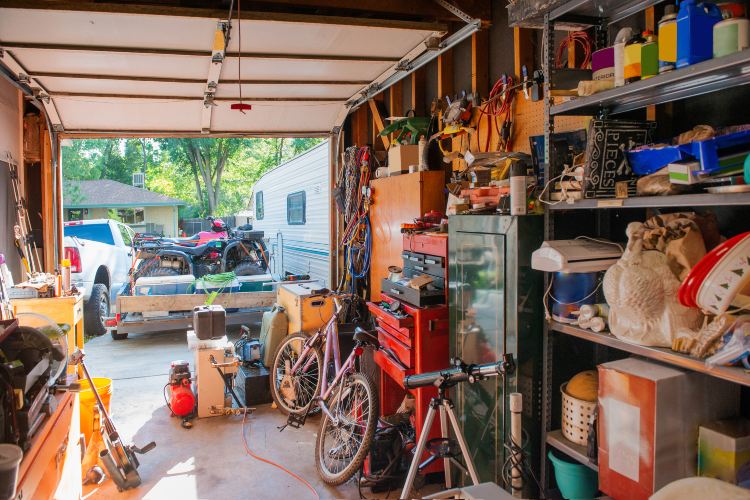
Most homeowners view their garage as the ultimate catch-all space. When a closet fills up, or a room gets too cluttered, the overflow inevitably makes its way out to the garage. It is the perfect solution for keeping your home tidy. However, treating this area as a general dumping ground can lead to ruined belongings and even serious safety hazards. Garages experience significant temperature fluctuations, humidity changes, and pest activity that interior rooms do not. Residents in San Jose, CA, know that warm summers and damp winter mornings can take a heavy toll on sensitive items left unprotected. Before you stack another box on the concrete floor, it helps to know exactly what belongs inside the house and what can safely stay outside. A well-organized space requires smart garage storage, but it also requires understanding the environment’s limits. Below, our team at Cal’s Garage Doors™ will cover the top items you should keep out of this space, along with tips for creating a safer, more organized home.
10 Things You Shouldn’t Store in Your Garage
While the garage serves as a convenient catch-all for household overflow, it is far from a controlled environment. Fluctuating temperatures, high humidity levels, and the constant threat of pests can quickly degrade materials that aren’t built to withstand the elements. To protect your investment and ensure your belongings remain in peak condition, it is vital to distinguish between durable gear and items that are vulnerable to environmental damage. Avoiding the storage of these specific items will not only preserve your property but also help maintain a cleaner, safer living space.
Propane Tanks
Propane tanks are highly combustible. Keeping them in an enclosed space is a major fire hazard. If a valve leaks, the gas can accumulate quickly. A single spark from starting your car or turning on a lawnmower could ignite the fumes. Always keep spare propane tanks outside in a well-ventilated area, safely away from your home.
Paint and Household Chemicals
Leftover paint might seem like a natural fit for a garage shelf. The problem is that extreme temperature shifts ruin the formula. High heat can cause the paint to separate, while freezing temperatures will turn it into a useless, chunky mess. Similarly, harsh household chemicals and fertilizers can emit dangerous fumes when exposed to excessive heat. Store these liquids in a climate-controlled utility room instead.
Paper Goods (Books, Documents, Cardboard Boxes)
Cardboard boxes are the enemy of a clean, pest-free home. Bugs, mice, and rats love to chew through cardboard to make nests. Furthermore, paper acts like a sponge for moisture. Books, magazines, and old files will quickly develop mildew, curl up, and emit a musty odor. If you must keep paper goods, use airtight plastic bins stored inside your house.
Clothing and Fabrics
It is tempting to pack away winter coats or vintage clothing in the garage. Unfortunately, fabrics attract moths and rodents looking for a warm place to nest. Humidity will also cause mildew to form on the fabric, leaving permanent stains and odors. Keep your extra clothing in indoor closets or vacuum-sealed bags under your bed.
Wood Furniture and Wooden Items
Wood is a porous material that expands and contracts with changes in humidity and temperature. If you leave a wooden dining table or antique chair out there, the wood can warp, crack, or split over time. The finish may also peel off. Keep valuable wooden furniture indoors where the climate is stable.
Food (Pet Food and Human Food)
Storing bulk bags of dog kibble or extra groceries near your car is an open invitation for pests. Mice, rats, raccoons, and insects can easily chew through paper and thin plastic packaging. Once pests find a reliable food source, they will multiply and cause further damage to your property. Always keep human and pet food in sealed containers inside your pantry.
Electronics and Appliances
Old televisions, computers, and kitchen appliances contain sensitive internal components. Moisture in the air can cause the wiring to rust and short-circuit. Extreme heat can also melt plastic casing and destroy delicate motherboards. If you plan to use or sell old electronics later, keep them in a spare bedroom or an interior closet.
Important Documents and Keepsakes
Photographs, birth certificates, and family heirlooms are irreplaceable. High humidity causes photo paper to stick together, completely ruining the images. Heat can also cause the ink on important documents to fade over time. Protect your family’s history by storing these items in a fireproof safe inside your home.
Wines, Canned Goods, or Beverages
Wine requires a highly stable temperature to age properly. A hot garage will cook the wine, destroying its flavor profile and potentially pushing the cork out of the bottle. Canned goods are also susceptible to heat. High temperatures reduce the shelf life of the food inside, and freezing temperatures can cause the cans to expand and burst.
Seasonal Decorations
Many people use their garage for holiday decor. While sturdy outdoor lights and plastic yard ornaments are usually fine, delicate items are at risk. Painted glass ornaments can shatter due to temperature changes. Fabric stockings and tree skirts will attract pests. Furthermore, hot summer days can actually melt plastic decorations and candles.
Why Garages Are Not Ideal for Sensitive Storage
The primary issue with garage storage is the lack of climate control. Most of these spaces are uninsulated. Throughout the year, the internal temperature can swing wildly from cold to sweltering heat. This constant expansion and contraction damages wood, electronics, and plastics. Moisture is another massive problem. Every time you drive a wet car inside, you introduce humidity to the environment. This moisture settles on cardboard, fabric, and metal, promoting mold growth and rust. Finally, pests see your garage as a haven. The small gaps under the main door or around windows provide easy access for insects and rodents. Once inside, they will happily use your stored belongings for food and nesting material.
Tips for Organizing a Safer, Clutter-Free Garage
Once you remove the prohibited items, you can focus on optimizing space for items that actually belong there, such as tools, sports equipment, and gardening supplies. Investing in high-quality garage storage systems is the best way to keep your belongings safe and accessible. Moving items off the floor protects them from potential water damage and prevents pests from hiding underneath piles of clutter. Consider implementing overhead garage storage for bulky items you rarely use, such as kayaks or heavy-duty holiday lights. Using the ceiling frees up significant floor space, making it much easier to park your vehicles. For smaller tools and hardware, custom garage storage cabinets and wall-mounted pegboards offer incredible flexibility. These garage storage ideas allow you to categorize your equipment logically. When you implement professional garage storage solutions, you instantly enhance the safety, appearance, and functionality of your home.
Reclaim Your Space with Smart Organization
Clearing out inappropriate items is the first step toward a functional home. By keeping delicate and dangerous goods indoors, you protect your investments and eliminate safety hazards. The next step is building a layout that works for your specific lifestyle and hobbies. If you are ready to upgrade your home in San Jose, CA, the team at Cal’s Garage Doors™ can help. From securing your belongings behind a sturdy, reliable door to maximizing your available space, we understand how to make your home work for you. Contact us today to discuss how we can improve your property.