
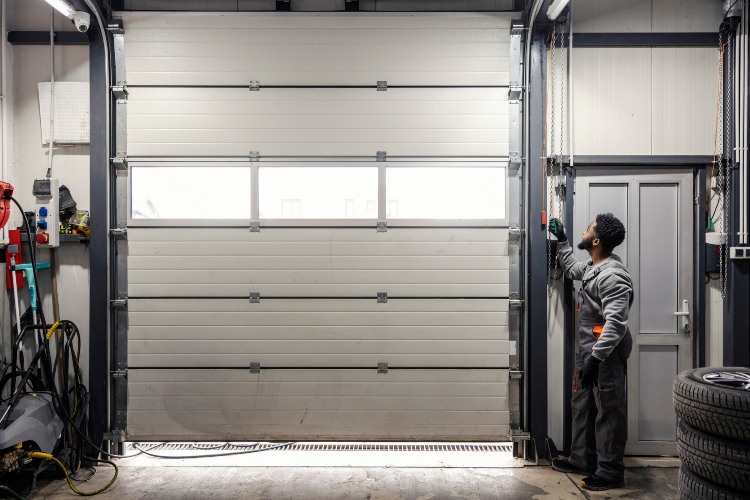
We Provide Garage Door Opener Repairs in San Jose, CA
You come home after a long day in San Jose, CA, and notice your garage door is sitting wide open. You could have sworn you closed it before leaving for work. Or perhaps you are sitting in your living room when you suddenly hear the garage door opener motor kick into gear, raising the door without anyone touching a button. A garage door that operates on its own is a massive security concern. It leaves your vehicles, stored belongings, and even the interior of your home vulnerable to trespassers or wildlife. Finding the root cause of this problem is crucial for your peace of mind and the safety of your property. If you are dealing with a garage door opening on its own, you are not alone. This is a common issue that many homeowners face, and it usually stems from a few specific mechanical or electrical problems. We will explore the most likely culprits behind this frustrating matter and guide you through the troubleshooting steps. You will also learn when it is time to call in the professionals at Cal’s Garage Doors™ to get things back on track.
Common Reasons Your Garage Door Opens by Itself
Several factors can cause your garage door opener to act like it has a mind of its own. Identifying the specific trigger is the first step toward a lasting solution. Here are some reasons to consider:
- Misaligned or Dirty Safety Sensors: Since 1993, all automatic garage doors have been required to feature safety sensors. These small photoelectric eyes sit near the bottom of your garage door tracks and send an invisible beam of light to each other. If something breaks that beam while the door is closing, the system reverses to prevent crushing an object, pet, or person. If the sensors get bumped out of alignment or covered in dust, the system might get confused and open the door unexpectedly.
- Debris on the Tracks: Your garage door runs along metal tracks on either side of the opening. Over time, leaves, dirt, rocks, or even excess grease can accumulate in these tracks. When the door encounters this debris while attempting to close, the internal safety mechanism interprets the resistance as a dangerous obstruction. The garage door opener will then automatically reverse direction and open the door back up.
- Electrical Glitches and Power Surges: Electrical issues are notorious for causing erratic behavior in home appliances. A recent power surge or an electrical storm in the San Jose area can damage the circuit board inside your garage door opener. When the logic board malfunctions, it can send rogue signals that command the motor to operate without any manual input.
- A Malfunctioning Garage Door Opener Remote: Sometimes the problem is resting right in your pocket or sitting in your car’s cup holder. A garage door opener remote with a dying battery or a sticking button can transmit continuous or random signals to the motor. Additionally, if your neighbor has an older system operating on the same frequency as yours, their remote could accidentally trigger your door.
How to Troubleshoot a Garage Door Opening by Itself
Before scheduling a garage door opener repair, you can try a few simple troubleshooting steps to resolve the issue yourself. First, check the safety sensors. Ensure nothing is blocking their path and wipe the lenses clean with a soft, dry cloth. Check the small LED indicator lights on the sensors; if they are blinking, the sensors are likely misaligned. Gently adjust them by hand until the lights remain steady. Next, inspect the tracks. Grab a flashlight and look closely for any accumulated dirt, pebbles, or debris. Sweep out the tracks and wipe them down. Finally, gather every garage door opener remote in your household. Remove the batteries from all of them. If the phantom opening stops completely, you know that one of the remotes was sending a faulty signal. You can replace the batteries one at a time to isolate the problematic remote.
When You Should Call a Professional
While basic cleaning and sensor adjustments are easy to handle, some issues require a trained professional. Electrical faults, damaged circuit boards, and worn-out internal gears are not DIY projects. If you have completed the basic troubleshooting steps and your door still opens on its own, it is time to call the experts. Dealing with heavy garage doors and high-tension springs can be incredibly dangerous without the right tools and training. A professional technician can safely diagnose the problem and recommend a targeted garage door opener repair. In some cases, the motor may be too old or severely damaged by a power surge to justify a repair. If that happens, you might need a complete replacement of the garage door opener. Upgrading your system gives you the perfect opportunity to explore modern options. For example, a side-mount garage door opener frees up ceiling space and operates much more quietly than traditional overhead models.
FAQ
Understanding how to maintain and troubleshoot your garage door system can save you time and prevent minor issues from becoming costly repairs. Whether you are dealing with a malfunctioning motor or considering a complete system upgrade, having the right information is key to ensuring the safety and longevity of your equipment. Below are some of the most common questions homeowners ask regarding professional garage door services and equipment performance.
- Is a garage door opening by itself dangerous? Yes. An open garage door leaves your home vulnerable to theft and property damage. Additionally, if the mechanical components malfunction, the door may behave unpredictably, posing a physical safety hazard to anyone walking beneath it.
- Can smart garage apps malfunction? Smart garage systems are incredibly convenient, but they rely on your home’s Wi-Fi network and software applications. If the app glitches, experiences a software bug, or if your account is compromised, it could trigger the door to open. Always keep your apps up to date and use strong, secure passwords.
- How do I reprogram my garage opener? The exact process varies by manufacturer, but it generally involves locating the “Learn” button on the back of the main motor unit. Press and release the button, then press the button on your remote control within 30 seconds. The lights on the motor unit should flash, indicating that the remote has been successfully synced. Consult your owner’s manual for model-specific instructions.
Preventing Future Unexpected Openings
Routine maintenance goes a long way in keeping your garage door operating correctly. Schedule a few minutes every month to inspect your system. Clean the sensor lenses, sweep out the tracks, and test the auto-reverse feature. Consider clearing the memory of your garage door opener entirely and reprogramming all your remotes and keypads. This simple reset ensures that no old, lost remotes or neighboring signals can access your system.
Keep Your Home Secure with Cal’s Garage Doors™
Dealing with a garage door that operates on its own is stressful, but it is a problem that can be fixed. By understanding the common causes and knowing when to call for professional help, you can secure your home and restore your peace of mind. If you need fast, reliable service in San Jose, CA, reach out to Cal’s Garage Doors™. Our expert technicians are equipped to handle everything from complex wiring issues to a full garage door opener installation. Give us a call today to schedule a service appointment and keep your garage safe and secure.