
Cal’s Garage Doors™: Installation & Repairs in San Jose, CA
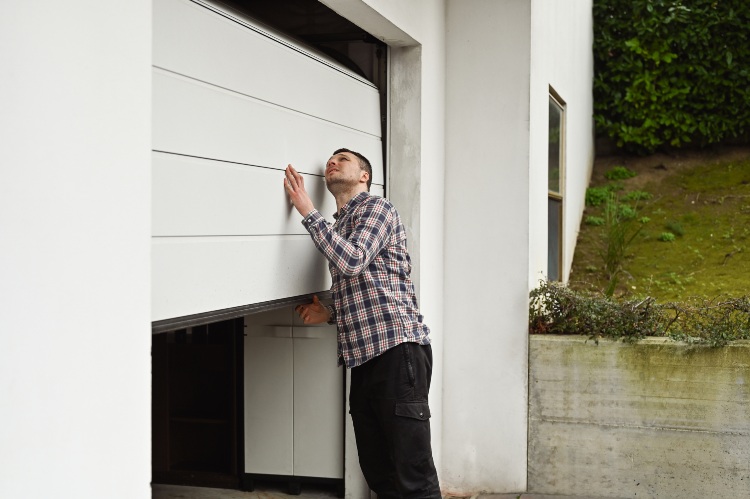
A gap at the bottom of your garage door might seem like a minor annoyance until you spot a mouse scurrying across your garage floor, feel a draft creeping into your home, or find puddles forming after a rainstorm. That small gap can lead to bigger problems than most homeowners expect. The good news? Many of these fixes are straightforward, and knowing where to start can save you time, money, and a lot of frustration. As you read below, our team at Cal’s Garage Doors™ will walk you through the most common causes of bottom garage door gaps, the most reliable ways to fix them, and how to prevent them from coming back.
Common Reasons for Gaps at the Bottom of a Garage Door
Before reaching for tools, it helps to understand what’s actually causing the gap. There are several culprits, and the fix depends heavily on the root cause.
- An uneven or damaged floor
- A worn or damaged bottom seal
- Misaligned or bent tracks
- Problems with the garage door cable
- An aging or warped door
- Incorrect limit settings on garage door openers
Reliable Ways to Fix the Gap at the Bottom of Your Garage Door
Once you’ve identified the likely cause, here are the most effective fixes, from simple DIY solutions to repairs that require professional garage door service.
- Replace the bottom weather seal
- Install a garage door threshold seal
- Adjust the garage door opener’s close limit
- Install a garage door insulation kit
- Realign or repair the tracks
- Schedule a professional garage door cable replacement
DIY Fixes vs. Professional Repairs
Not every gap repair requires a professional, but some definitely do. Here’s a quick breakdown:
- Suitable for DIY: Homeowners can typically handle several simple adjustments on their own, such as replacing the bottom weather seal or installing a threshold seal to block out drafts and debris. Additionally, you can fix minor gaps by adjusting the close-limit settings on your garage door opener or by installing a garage door insulation kit to improve the unit’s thermal efficiency.
- Best left to a professional: While minor tweaks are manageable for the average person, tasks like garage door cable replacement and spring adjustments or replacements are far too dangerous for DIY and require specialized tools. You should also hire an expert to realign the tracks on roll-up garage doors to ensure the system remains balanced and safe. Finally, if you are diagnosing persistent or recurring gaps with no obvious cause, a professional technician can identify underlying structural or mechanical issues that aren’t immediately visible.
How to Prevent Gaps from Reappearing
Fixing the gap is only half the job. A little preventive maintenance goes a long way. Here are steps you can take:
- Inspect the bottom seal every six months
- Lubricate moving parts regularly
- Check the tracks periodically
- Schedule annual professional maintenance
- Act quickly on small problems
Frequently Asked Questions
To help you better understand the nuances of maintaining a functional, secure home, our team at Cal’s Garage Doors™ has compiled a list of common questions about door performance and upkeep. Addressing these concerns proactively not only ensures the safety of your household but also protects your long-term investment in your property’s infrastructure. Below, you will find expert answers to the most frequently asked questions from homeowners looking to optimize their garage door’s reliability.
- Why does my garage door have a gap only on one side? A one-sided gap usually points to a cable or spring issue, an uneven floor, or a misaligned track on that side. It can also happen when one side of the bottom seal has worn down faster than the other. If adjusting the seal doesn’t resolve it, have a garage door technician assess the cables and tracks.
- How often should I replace my bottom seal? On average, bottom seals last 2 to 5 years, depending on climate, usage frequency, and material quality. In areas with strong UV exposure or wide temperature swings, seals can degrade faster. Inspect yours every six months and replace it at the first signs of cracking or separation.
- What’s the cheapest way to fix a small gap? For a small, even gap across the full width of the door, adjusting the close-limit settings on your garage door opener is often the simplest and least expensive fix.
Keep Your Garage Door Sealed and Secure
A gap at the bottom of your garage door is more than a cosmetic problem. Left unaddressed, it invites pests, moisture, drafts, and unnecessary energy costs. Fortunately, many of the fixes are manageable, and even the more complex ones are well within reach with professional help. Start with the simplest solutions: check the seal, inspect your opener settings, and assess the floor. If the problem persists or points to cables, springs, or structural misalignment, reach out to a trusted garage door service provider. At Cal’s Garage Doors™, we help San Jose homeowners diagnose and resolve all types of garage door issues, from worn bottom seals to full cable replacements. Contact us today to schedule a service call and get your door sealed as it should be.